
When we think of Indian cricket today, names like Virat Kohli, Sachin Tendulkar, and MS Dhoni often echo in our minds. Stadiums roar with passionate fans, cricket jerseys flood the streets, and billions stop everything when India plays. But the roots of this cricketing madness go back far deeper than most of us realize — to a man known not for his sixes or centuries, but for his vision, resilience, and unwavering love for the game.
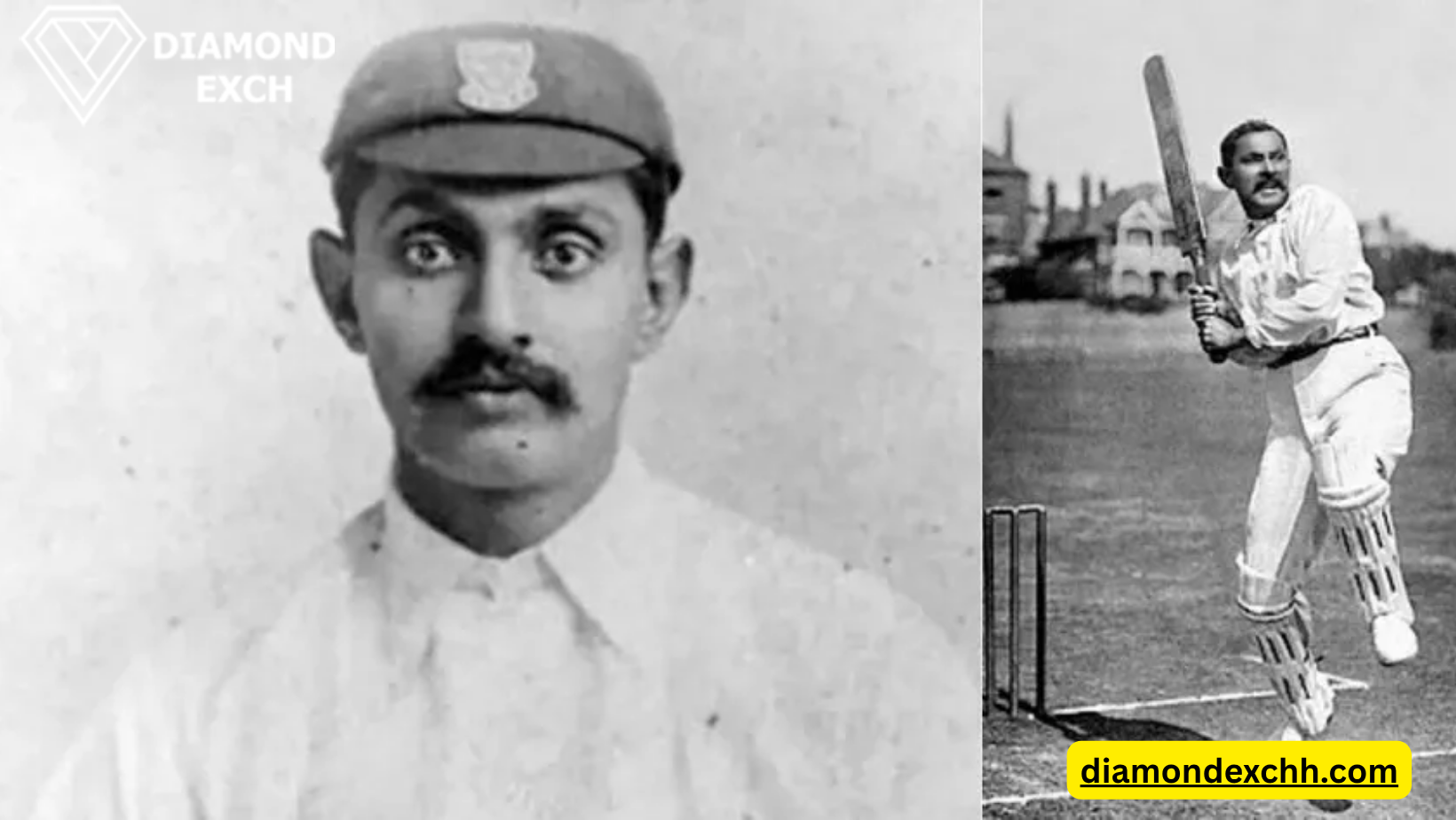
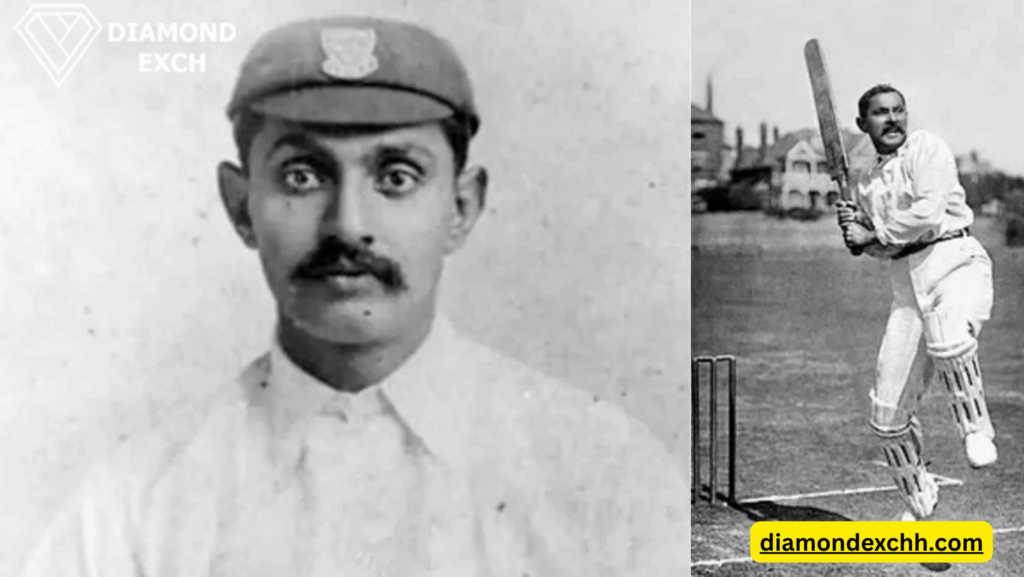
He is Ranjitsinhji Vibhaji Jadeja, more popularly remembered as “Ranji.” Though many call him the “Father of Indian Cricket”, his story is more layered than just that honorary title. His life bridges two worlds: colonial India and imperial Britain, and his legacy laid the groundwork for what would eventually become one of the greatest cricketing nations in the world.
Who Was Ranjitsinhji?
Ranjitsinhji was born on September 10, 1872, in Sarodar, a small princely state in present-day Gujarat. A member of the ruling family of Nawanagar (now Jamnagar), he had access to good education and was later sent to England to study at Cambridge University.
Diamondexch99 operates in Indian currency with deposits starting at merely ₹100. Withdrawal limits begin at ₹1,000 and stand at ₹49,500 per transaction-which applies to both deposits and withdrawals.
But young Ranji’s destiny wasn’t just academic. It lay on the lush green cricket fields of England — at a time when people of color, especially Indians, were not expected to stand out in British sports. Yet he did.
He was elegant, stylish, and innovative — a batsman who redefined how the game was played. He introduced strokes like the leg glance, which hadn’t been seen before in the cricketing world. His batting wasn’t just effective; it was poetic. To watch him play was to watch art in motion.
In 1896, Ranji became the first Indian to play Test cricket — not for India (India had no team then) — but for England. Yes, it was a different time, and yet, his inclusion in the English team was monumental. It proved that an Indian could not only compete with but excel among the best cricketers of the British Empire.
Why is Ranji Called the Father of Indian Cricket?
This is a fair question — especially since Ranji never actually played for the Indian national team, nor did India have an official Test team until 1932, two years after his death. Yet, his influence was profound. Here’s why:
1. He Broke Barriers
Ranji’s selection in the English cricket team was nothing short of revolutionary. At a time when Indians were considered racially and socially inferior by the British ruling class, Ranji’s rise to fame challenged stereotypes. He became a symbol of Indian excellence and a source of pride for Indians under colonial rule.
2. He Popularized Cricket Among Indians
Before Ranji, cricket was mostly confined to British elites in India. But when news of his success in England reached home, it ignited a spark. Suddenly, cricket wasn’t just a “British game.” Indians began to see it as a game they could play — and excel at. His fame inspired generations of young Indians to pick up a bat and dream big.
3. He Left a Legacy That Lives On
The famous Ranji Trophy, India’s premier domestic cricket tournament, is named in his honor. Started in 1934, the Ranji Trophy has been the breeding ground for countless Indian cricket legends. From Sunil Gavaskar to Rahul Dravid, many of India’s finest first proved themselves on the Ranji stage.
Diamond247 is the best online Betting id platform that has earned quite a name in the last few years. This platform is popular among the online
4. He Blended Cultures with Grace
Ranji was a prince, an aristocrat, and a cricketer in the most elite circles of British society. Yet, he never distanced himself from his Indian identity. He represented a fusion of East and West — mastering the English game while retaining his roots. In many ways, he showed that Indian identity and global excellence were not mutually exclusive — a message that still resonates today.
A Life Beyond the Pitch
While Ranji’s cricketing feats are widely celebrated, his life was not without complexities. He later became the Maharaja of Nawanagar, ruling his state with a progressive vision. He was a philanthropist and a reformist, advocating for education and infrastructure in his region.
Yet, he was also criticized for being distant from the Indian freedom struggle. Some historians argue that he remained too loyal to the British Empire — even receiving a knighthood and serving in diplomatic roles. But perhaps that was the paradox of his time: navigating loyalty to his homeland while being deeply entrenched in the empire that ruled it.
What Ranji Means Today
In 2025, Indian cricket is a global powerhouse. The Indian Premier League (IPL) is among the richest sporting leagues in the world. Indian cricketers are worshipped as national icons, and the blue jersey is a symbol of pride across continents.
But before all of this — before the massive stadiums, billion-dollar endorsements, or the roaring crowds — there was Ranji. Alone. Playing on foreign soil. Breaking rules. Making history.
He didn’t just play cricket. He changed its narrative.
To call him the “Father of Indian Cricket” is not just to honor his achievements, but to recognize that without pioneers like Ranji, the Indian cricketing story might never have begun.
Final Reflections
It’s easy to forget the ones who came before us, especially when we’re blinded by the dazzling success of the present. But every towering tree started as a seed. Ranji was that seed for Indian cricket.
He didn’t wear the Indian jersey.
He didn’t play in the World Cup.
He didn’t hit last-over sixes.
But he inspired a nation to believe — that the cricket field wasn’t just a British playground. It could be Indian too.
Diamond Exchange id login has cleared the way for everyone. This online betting site is compatible with laptops, desktops and mobiles. So play this great game and earn money. Signing up for Diamondexch is very easy.
So, the next time you watch an Indian cricketer raise their bat after a century, take a moment to think of a man in a turban, playing in cold English weather, silencing doubters with every elegant shot.
That man was Ranjitsinhji — the true father of Indian cricket.